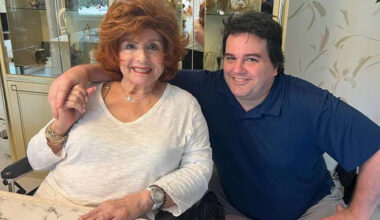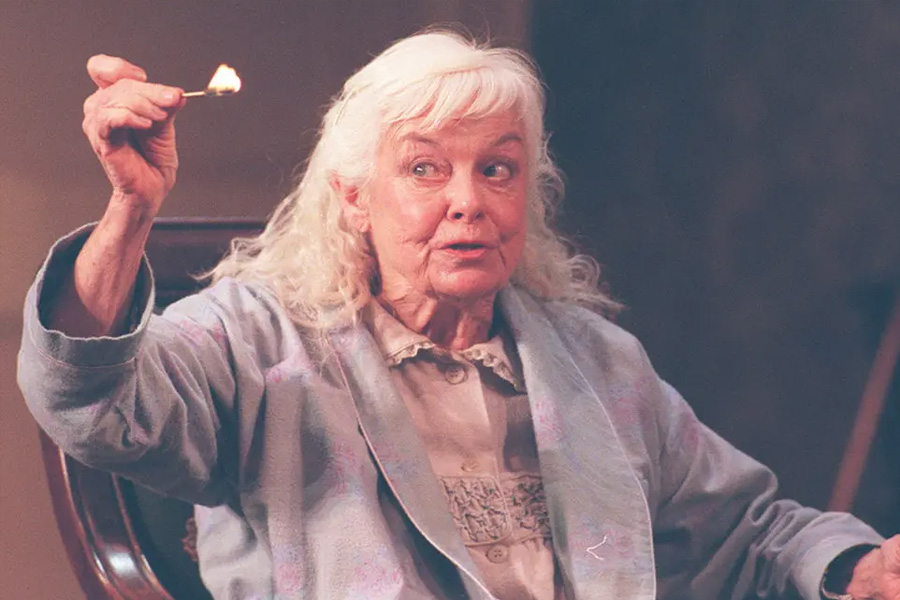
A life shaped by stage lights and steady roots
When I look at Helen Stenborg, I see an actress whose career moved like a deep river, not a flash flood. Born in Minneapolis on January 24, 1925, she carried herself through nearly every major American stage tradition of the 20th century with discipline, grace, and a rare kind of durability. She was not a celebrity built on noise. She was built on craft. That difference matters.
She moved to New York at 17, soon after Pearl Harbor, and that early decision set the course of her life. She studied acting, lived at the Barbizon Hotel for Women, toured in plays, and learned the hard business of staying power. Her career would stretch from the theater to film and television, but the center of gravity was always the stage. That is where her talent took its clearest shape.
Her work often feels like a lamp burning in a backstage hallway. Not blinding, but guiding. It made the room intelligible.
Family background and the people closest to her
Helen Stenborg came from a family that grounded her before the spotlight found her. Her father was Ambrose Stenborg, a dentist, and her mother was Ida Stenborg. Their names matter because they point to the home she came from before she became a working actress. She was raised in Minneapolis, and that early world gave her a foundation that seems to have stayed with her throughout her life.
Ambrose Stenborg
Ambrose Stenborg, Helen’s father, was a dentist. That detail is small on the surface, but it suggests a household built around precision, care, and professional discipline. Helen later built a life in a different field, yet the seriousness of her working habits seems to echo the kind of steadiness one might associate with a family of practical professionals.
Ida Stenborg
Ida Stenborg, Helen’s mother, is less publicly documented, but she stands as part of the early domestic world that shaped Helen’s character. In the story of many performers, the parent who does not appear in headlines is still present in the structure of the life. Ida belongs to that quiet but essential category.
Barnard Hughes
Helen’s marriage to actor Barnard Hughes became one of the most famous theater couples in their time. In April 1950, they married and lived together for 56 years until his 2006 death. That kind of long marriage in a rigorous artistic life is impressive.
Barnard Hughes was more than a background spouse. He was a traveler, stage partner, and artistic collaborator. Some collaborations included touring in Da and appearing in Waiting in the Wings. I see them as two powerful beams in the same old theater frame, each supporting it differently. The marriage was personal and professional, intimate and public, ordinary in its everyday persistence and extraordinary in its length.
Doug Hughes
Helen and Barnard’s son was Doug Hughes, who became a major theater director. He is a significant figure in his own right, not just because of his parents, but because of what he built. Public records identify him as the son of Helen Stenborg and Barnard Hughes, and his career established him as one of the leading directors of his generation. He won the Tony Award for directing Doubt and earned broad respect for his work on Broadway.
Doug also appears in the family story as a son who stood at his mother’s bedside when she died. That detail gives the relationship a human edge. It reminds me that behind every biography is a family made of ordinary moments, unrecorded conversations, shared meals, phone calls, and silence.
Laura Hughes
Helen and Barnard’s daughter was Laura Hughes, an actress. Like Doug, she inherited a theatrical atmosphere, but she also had her own identity. She was not simply a daughter in the shadow of famous parents. She was an artist, and she was publicly identified that way. She was also present at Helen’s bedside at the end of Helen’s life. That detail, small and intimate, completes the picture of a family that remained close.
Sam Hughes Rubin
Helen’s grandson, Sam Hughes Rubin, appears in public obituary coverage as part of the surviving family. He is another thread in the larger Hughes-Stenborg family line, showing that Helen’s legacy was not only professional but familial. A life like hers does not end at a curtain call. It continues through descendants, stories, habits, and memory.
Career, awards, and the architecture of her success
Helen Stenborg’s career was long, varied, and deeply rooted in serious theater. She began young, touring in Three’s a Family and Claudia, and she also worked as a USO entertainer in Italy and France. Those early years were not glamorous in the shallow sense. They were practical, mobile, and demanding. She was learning how to survive as an artist. Her association with Circle Repertory Company became one of the defining features of her stage life. She worked in productions connected to Lanford Wilson and appeared in the original runs of The Hot L Baltimore, Fifth of July, and Talley and Son. That body of work placed her inside an important American theatrical movement, one that valued character, emotional truth, and social texture. Her Broadway credits included Sheep on the Runway, The Trial of the Catonsville Nine, A Doll’s House, A Month in the Country, Waiting in the Wings, and The Crucible. That list is not just long. It is elegant. It shows range across classics, contemporary drama, and serious ensemble work. Her awards tell their own story. She won an Obie Award for Talley & Son. She received a Drama Desk Lifetime Achievement Award in 2000. She was nominated for a Tony Award for Waiting in the Wings. In 2010, she received the Richard Seff Award for Vigil, which became her final stage appearance. Those honors reflect an actor who earned respect over decades, not in one sudden burst.
Screen work and television presence
Though the theater was her home, Helen Stenborg also appeared in films and television. Her film credits included Three Days of the Condor, Starting Over, The Europeans, The Bonfire of the Vanities, Marvin’s Room, Isn’t She Great, Bless the Child, Enchanted, and Doubt. She moved through these roles with the same grounded quality she brought to the stage.
On television, she is especially remembered for Another World, where she played Helga Lindeman. She also appeared in One Life to Live and Ryan’s Hope. Her screen work may not have dominated the culture, but it widened her artistic footprint. It showed how an actor built on presence rather than spectacle can travel across mediums without losing identity.
A timeline of major moments
| Year | Moment |
|---|---|
| 1925 | Born in Minneapolis, Minnesota |
| 1941 | Moved to New York at 17 |
| 1940s | Studied acting, toured in plays, served as a USO entertainer |
| 1946 | Met Barnard Hughes |
| 1950 | Married Barnard Hughes |
| 1970s | Major stage work with Circle Rep and Broadway |
| 1986 | Won an Obie Award for Talley & Son |
| 1999 | Appeared in Waiting in the Wings |
| 2000 | Received Drama Desk Lifetime Achievement Award |
| 2002 | Last Broadway appearance in The Crucible |
| 2010 | Received Richard Seff Award for Vigil |
| 2011 | Died in Manhattan on March 22 |
This timeline reads like a steady climb across decades. Not a ladder to fame, but a bridge built plank by plank.
Later recognition and lasting presence
More than credits remain after Helen Stenborg. Weather is artistic. As an actor, she made theater feel lived in, not polished. Her performances carried weight because she seemed life-focused.
Theatrical databases, family histories, cast retrospectives, and memorials mention her. Serious work defines her career. Art made her family visible.
FAQ
Who was Helen Stenborg?
Helen Stenborg was an American actress born in Minneapolis on January 24, 1925. She worked across Broadway, Off-Broadway, television, and film, with especially strong ties to American theater and Circle Repertory Company.
Who were Helen Stenborg’s family members?
Her parents were Ambrose Stenborg and Ida Stenborg. Her husband was actor Barnard Hughes. Her children were Doug Hughes and Laura Hughes. Her grandson mentioned in public coverage was Sam Hughes Rubin.
What was Helen Stenborg best known for?
She was best known for her stage career, especially her work in The Hot L Baltimore, Fifth of July, Talley & Son, Waiting in the Wings, and The Crucible. She was also recognized for her long association with serious American theater.
Did Helen Stenborg receive major awards?
Yes. She won an Obie Award for Talley & Son, received a Drama Desk Lifetime Achievement Award, earned a Tony nomination for Waiting in the Wings, and received the Richard Seff Award for Vigil.
Was Barnard Hughes also an actor?
Yes. Barnard Hughes was Helen Stenborg’s husband and a respected actor himself. Their marriage lasted from 1950 until his death in 2006, and they occasionally worked together on stage.
What kind of legacy did Helen Stenborg leave behind?
She left behind a legacy of disciplined stage acting, respected family ties, and a body of work that helped shape serious American theater. Her life feels like a carefully built house, sturdy in its beams and quiet in its light.