A woman whose life shaped a dynasty
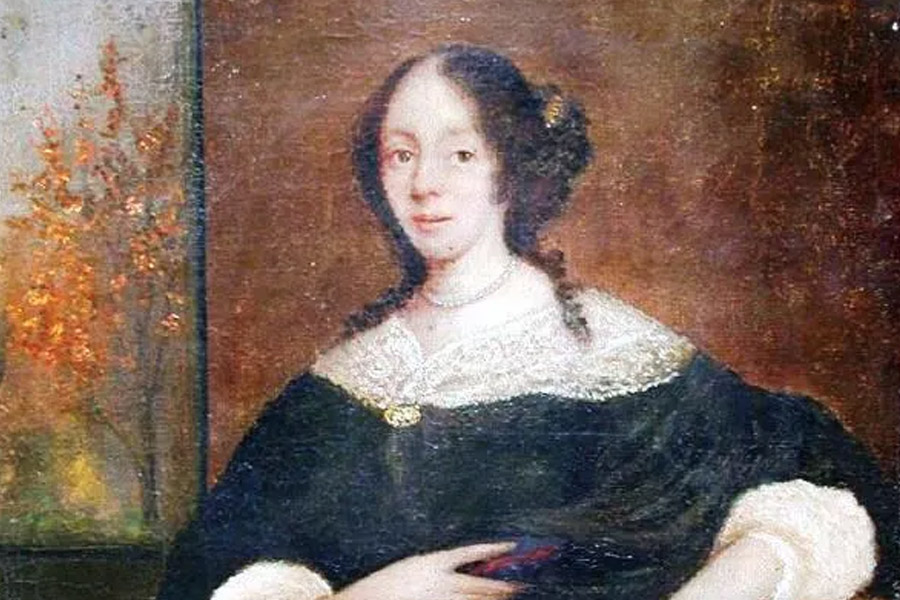
I think of Susanna Boylston as one of those historical figures who rarely stand in the spotlight, yet hold the whole frame together. She was born in Brookline, Massachusetts, in 1708 or 1709, into the steady gravity of a respected colonial family. Her life moved through the ordinary architecture of the 18th century: marriage, motherhood, widowhood, remarriage, loss, and survival. But the reach of that life extended far beyond one household. Through her children and grandchildren, she became one of the hidden roots of the Adams family line, a family that would later sit at the center of American political memory.
She was not a public officeholder or a battlefield name. Her power was quieter. It lived in the household, in memory, in discipline, in the slow shaping of character. That kind of influence can be easy to miss, but it is the kind that lasts.
Her early life in Brookline
Susanna’s parents, Peter and Ann White Boylston, were from prominent New England families. Colonial Massachusetts had familial networks like underground rivers that fed daily life whether anyone named them or not. Susanna grew up in it. She came from Brookline’s established families, where property, kinship, church, and reputation were important.
Her early years lack drama, but the outline is meaningful. Her culture recorded women’s lives indirectly through marriage documents, wills, correspondence, and children. Patterns exist there also. She appeared literate, attentive, and aware of family matters. Not a minor thing. In a civilization that aimed to marginalize women, reading and judgment gave people sharper edges than history indicates.
Marriage to John Adams and the first household
In 1734, Susanna married John Adams, often called Deacon John Adams or John Adams Sr. He was a farmer, shoemaker, deacon, and local official. Together they built a home in Braintree, and that home became the cradle of a remarkable family line. Their marriage produced three sons: John Adams, Peter Boylston Adams, and Elihu Adams.
I see this household as a forge. Not a glamorous place, but a place where metals are tested and shaped. The children who came from it would each carry some part of the family’s hard-working, practical, deeply moral inheritance. John Adams would become a leading voice of the American Revolution and later the second president of the United States. Peter Boylston Adams would remain closer to local life. Elihu Adams would die young during the Revolutionary era, another reminder that family stories are not made only of triumph, but also of loss.
Susanna’s role in this family was not decorative. She was the center of gravity. In the 18th century, a household depended on a woman’s management in nearly every daily way. Food, clothing, children, sickrooms, work rhythms, property concerns, and family continuity all passed through her sphere. She did not leave behind a formal office, but she helped shape a lineage.
Her children: three sons, three different paths
John Adams, born in 1735, became the most famous of her children. His life rose into national history, but his roots remained tied to the example of his parents. He was the child of a household shaped by labor, religion, and self-discipline. Those qualities echoed throughout his career, and I think Susanna’s influence lives there too, even when it is not named directly.
Peter Boylston Adams, born in 1738, did not rise to national renown, yet his life matters because families are not measured only by famous branches. He represents continuity. He helped hold the line of the family in more ordinary ways, and later Susanna lived with him after her second husband died.
Elihu Adams, born in 1741, died in 1775. His story is shorter, but it matters just as much. Every family has names that burn briefly. Elihu’s death reminds me that history often celebrates the survivors while quietly carrying the weight of those who did not live long enough to become famous.
Widowhood, remarriage, and the second household
John Adams died in 1761, leaving Susanna widowed. Colonial women, especially those whose households relied on family and local networks, could be vulnerable at that age. John Hall was her second husband in 1766. Marriage later in life was practical and personal. It might offer security, friendship, and a new aging structure.
Remarriage adds another chapter to her tale. She didn’t freeze after her first big chapter. She adjusted and built a life under changing circumstances. John Hall died, and she lived with her son Peter Boylston Adams. The final layout symbolizes family duty and time. The son with her middle name cared for her in old age.
Grandchildren and the widening circle of legacy
Susanna’s grandchildren placed her family even more deeply into the national story. Through John Adams and Abigail Smith Adams, she became grandmother to John Quincy Adams, Abigail Adams Smith, Charles Adams, and Thomas Boylston Adams. These names are not just a list. They are an expanding circle, a family tree branching into politics, diplomacy, letters, public service, and memory.
Later descendants carried the line further still. George Washington Adams, John Adams Smith, Caroline Amelia Smith de Windt, Abigail Louisa Smith Adams, Elizabeth Coombs Adams, and Joseph Harrod Adams all belong to the broad inheritance that flowed from Susanna’s life. In a way, she stands at the start of a long relay race. She did not run each mile herself, but she passed the baton.
Character, intellect, and daily influence
Not just being the mother of famous individuals makes Susanna Boylston appealing. Her character occurs in glimpses. She appeared alert, capable, and independent for a colonial woman. Signing a will as a witness shows literacy and confidence. Old woman read newspapers. She managed family issues. She was smart when money or housework were at stake.
Something vivid about that. Imagine a woman who knew life’s texture. Life, not abstract. Real life. Bread, bills, illness, babies, deaths, and a thousand everyday decisions shape a family’s future. Because it doesn’t wear a uniform or sign a treaty, that wisdom is easy to overlook. It remains like bedrock under the river.
What survives of her public memory
Susanna died in Quincy in 1797, in her late 80s. Her obituary remembered her as the mother of President John Adams, but that title only hints at the full measure of her life. She belonged to the old colonial world and also helped prepare the new American one through the family she raised. Her memory survives not because she sought fame, but because the people around her mattered so much to the country that came after.
FAQ
Who was Susanna Boylston?
Susanna Boylston was a colonial Massachusetts woman best known as the mother of John Adams, the second president of the United States. She was born in Brookline in 1708 or 1709 and lived until 1797.
Who were Susanna Boylston’s parents?
Her parents were Peter Boylston and Ann White Boylston. They came from respected New England families and formed part of the social foundation that shaped her early life.
Who was Susanna Boylston married to?
She first married John Adams Sr., also known as Deacon John Adams, in 1734. After his death, she married John Hall in 1766.
How many children did Susanna Boylston have?
She had three sons with John Adams Sr.: John Adams, Peter Boylston Adams, and Elihu Adams.
Who are Susanna Boylston’s most notable descendants?
Her most famous descendants include John Quincy Adams and later members of the Adams family line such as Abigail Adams Smith, Charles Adams, Thomas Boylston Adams, George Washington Adams, John Adams Smith, Caroline Amelia Smith de Windt, Abigail Louisa Smith Adams, Elizabeth Coombs Adams, and Joseph Harrod Adams.